Import and Export Licensing: Which Businesses Need One
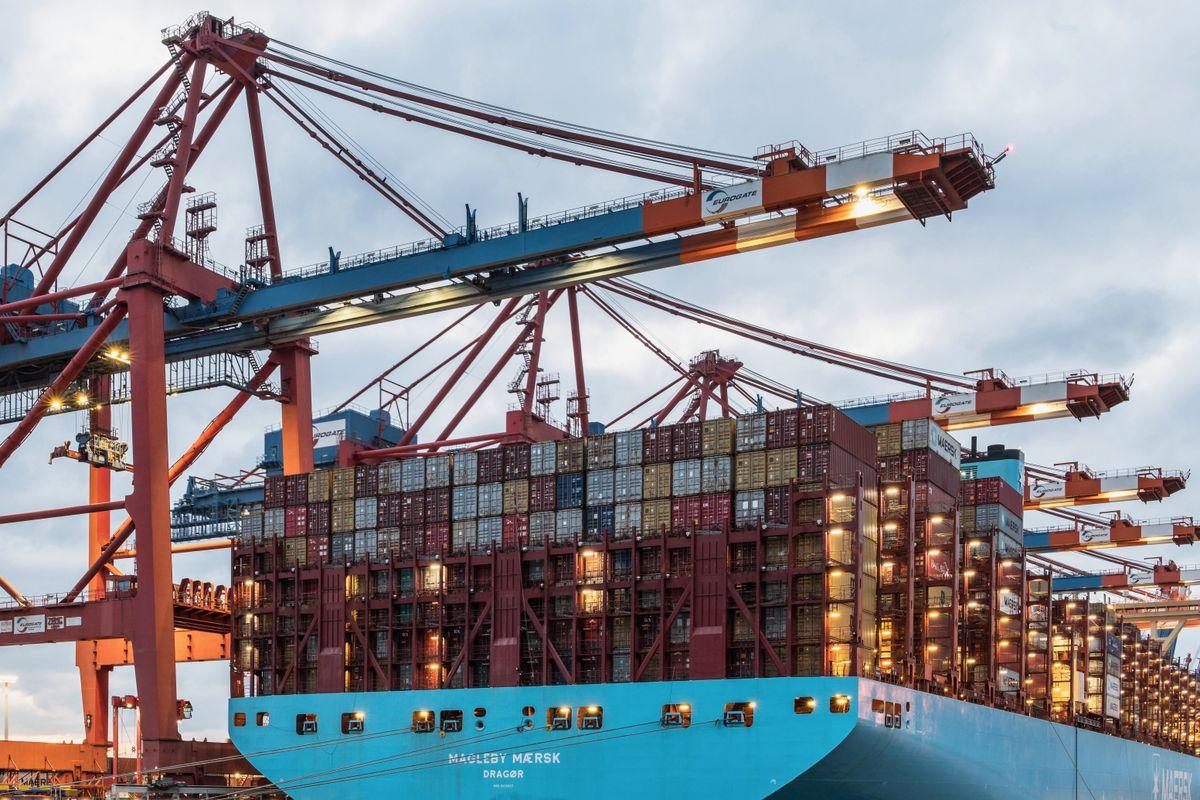
Malaysia does not require a general import or export licence for most goods. What it does have is a control regime applied to particular goods, administered by different agencies depending on what the goods are — and the classification of your product decides which, if any, applies to you.
Start with the tariff code
Everything follows from the HS code — the harmonised system classification of your product. The code determines the duty rate, whether the goods are subject to any prohibition or restriction, and which agency has authority over them.
Getting the code wrong has consequences in both directions: unexpected duty, or goods held at the port pending an approval nobody applied for. Where a product's classification is genuinely arguable, it is worth resolving formally rather than guessing and finding out at clearance.
The categories of control
Goods generally fall into one of:
- Freely importable, subject to ordinary customs procedures and duty
- Subject to an import licence or permit from the relevant controlling agency
- Subject to conditions — standards certification, labelling, health or safety clearance
- Prohibited outright
The controlling agency depends on the goods. Food, pharmaceuticals, medical devices, telecommunications equipment, agricultural products, chemicals, vehicles and firearms each sit with a different regulator, and several products engage more than one.
What this means practically
Registration with customs. Importers and exporters need to be registered and to operate through the customs declaration system. Most businesses work with a licensed forwarding agent, which is sensible, but the legal responsibility for the accuracy of a declaration remains with the importer.
Approved permits. Where a permit is required, it is generally needed before the goods arrive. A shipment that lands without one is a problem to be solved at demurrage rates.
Standards and labelling. Products subject to Malaysian standards may need certification before they can be sold, and labelling requirements — including language requirements — apply to a range of consumer goods. These are frequently discovered after the first container has already shipped.
Halal considerations. For food, beverages, cosmetics and some pharmaceuticals, halal certification is a commercial reality in the Malaysian market even where it is not a legal requirement for import. That decision is best made before packaging is finalised.
The free trade agreement angle
Malaysia is party to a range of trade agreements, and preferential duty rates may be available depending on the origin of your goods. Claiming preferential treatment requires the correct origin documentation, prepared properly and available at clearance.
For a group importing from its own facilities elsewhere in Asia, this is frequently worth real money and frequently unclaimed, because nobody worked through whether the goods qualify.
Where to begin
- Classify the product properly and confirm the code
- Establish whether it is controlled, and by which agency
- Identify any standards, certification or labelling conditions
- Register the entity for customs purposes
- Apply for any permit before the first shipment is booked
- Check whether preferential origin treatment is available
The recurring failure is treating this as a logistics question to be handled by the freight forwarder. The forwarder moves the goods; whether the goods may lawfully be imported and sold is the importer's problem.
We handle the licensing and permit side alongside setup, and will tell you early if your product engages a regulator you had not anticipated. Tell us what you are moving.
Malaysia Market Notes
One email a month on regulatory changes and processing times for foreign-owned businesses in Malaysia. No noise, no selling.
Need this handled, not just explained?
Tell us your situation — we’ll map the exact approvals your business needs and quote the work.
Request a Consultation