Signboard Approval in Malaysia: The Rules That Catch Brands Out
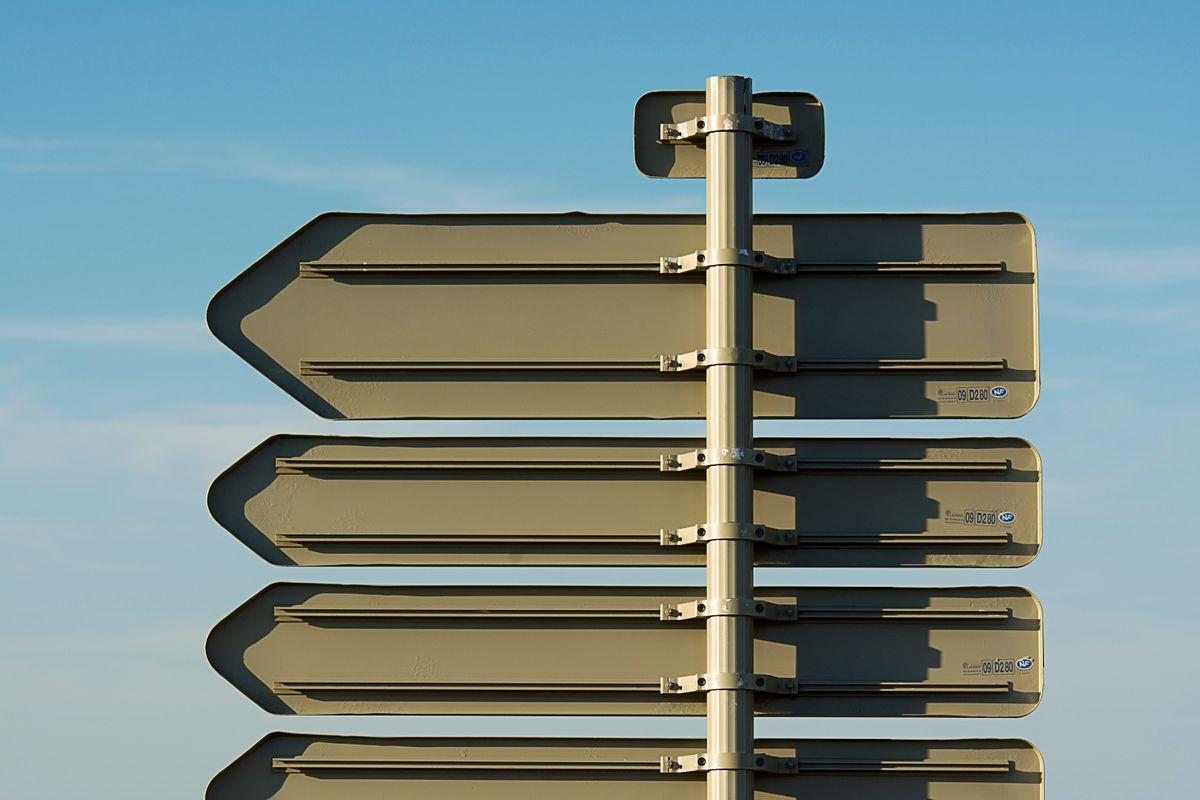
A signboard licence is not part of your business premises licence. It is a separate application, to the same council, with its own rules — and it catches out foreign brands more reliably than anything else in the municipal set. Usually after the sign has been fabricated and installed.
The language rule
Malaysian councils apply requirements on the use of Bahasa Malaysia in signage, informed by national language policy and administered locally. In broad terms, the national language is expected to be present and given appropriate prominence relative to other languages on the sign.
The details — the exact prominence required, how a registered trademark in another script is treated, how translations versus transliterations are handled — are set by the council with jurisdiction and are applied with some local variation. This is one of the areas where reading a general guide is not a substitute for checking with the specific council before ordering the sign.
For a Korean, Japanese or Arabic brand this needs thought at the design stage rather than the installation stage. A logo that works globally may need a Malay element added, and where that element goes is a design decision you want to make deliberately.
What else is assessed
Beyond language:
- Dimensions, relative to the shopfront and the building
- Placement — projecting, flush, rooftop and pylon signs are treated differently
- Illumination, whether it is permitted at that location and in what form
- Structural safety, particularly for larger or elevated signs
- Building consent, since the landlord's approval is generally required and the building may have its own uniform signage rules
- Heritage or special zone restrictions, which apply in parts of the city and are considerably tighter
The application
You will generally need the company documents, the tenancy agreement, the landlord's written consent, a scaled artwork proof showing dimensions and text, and a photograph or drawing of the proposed placement on the building.
The council assesses the artwork as submitted. Approval is for that design — changing the text or the dimensions afterwards means a fresh approval.
The order to do this in
The sequence that avoids waste:
- Design the sign
- Submit the artwork for approval
- Approve the fabrication
- Install
- Retain the licence and renew it when due
The sequence that causes the problem: design, fabricate, install, then apply — and discover that the Malay element is missing or the dimensions exceed what will be permitted. Fabrication is not cheap and it is not adjustable.
It is periodic
The signboard licence renews on its own cycle, separate from the premises licence. Because it is a small item, it is the one most often forgotten, and an expired signboard licence is a live compliance issue rather than a technicality.
We handle signboard applications alongside premises licensing and review the artwork before anything goes to fabrication. Send us the design while it is still a file rather than an object.
Malaysia Market Notes
One email a month on regulatory changes and processing times for foreign-owned businesses in Malaysia. No noise, no selling.
Need this handled, not just explained?
Tell us your situation — we’ll map the exact approvals your business needs and quote the work.
Request a Consultation